Reservation
Online
Integer congue malesuada eros congue varius. Sed malesuada dolor eget velit pretium. Etiam porttitor finibus. Nam suscipit vel ligula at dharetra
Error: Contact form not found.
Integer congue malesuada eros congue varius. Sed malesuada dolor eget velit pretium. Etiam porttitor finibus. Nam suscipit vel ligula at dharetra
Error: Contact form not found.

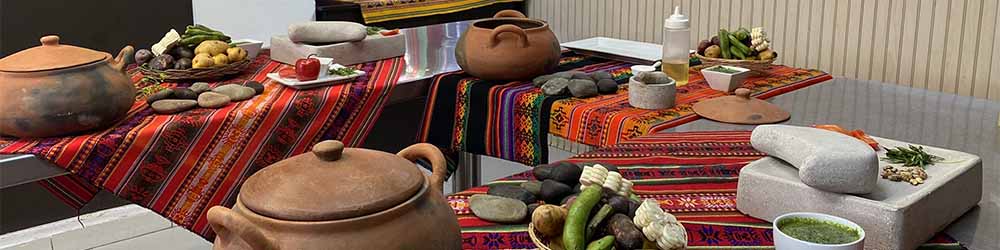
If there is one ingredient that truly defines the flavors of Peruvian cuisine, it is ají peppers.
These colorful and aromatic peppers have been cultivated in the region that is now Peru for more than ten thousand years, making them one of the oldest ingredients in the culinary history of the Americas.
Long before the rise of the Inca Empire, ancient cultures were already growing and using different varieties of ají peppers to season their food. Over time, these peppers became an essential part of the country’s identity and today remain at the heart of traditional Peruvian dishes.
For travelers exploring Peruvian food culture, discovering the role of ají peppers is one of the most fascinating parts of the culinary journey.
One of the most surprising aspects of Peruvian ají peppers is their incredible diversity.
Peru is home to dozens of varieties, each with its own color, aroma, flavor, and level of heat. Some are bright yellow, others deep red, and some even appear in shades of orange or purple.
Each type of ají brings a unique personality to the dish.
Unlike many chili peppers from other regions of the world, the heat of many Peruvian ají peppers is often brief and explosive on the palate, creating a quick burst of spice that fades quickly rather than lingering for too long.
Many varieties are actually mild and deeply aromatic, adding layers of flavor rather than intense spiciness.
This balance between aroma, color, and gentle heat is one of the reasons Peruvian gastronomy is so widely admired around the world.
Ají peppers are used in countless traditional Peruvian dishes, giving them their distinctive character.
One of the most famous varieties is ají amarillo, often considered the soul of Peruvian cooking. Its fruity aroma and vibrant color appear in many iconic recipes.
Other varieties such as ají panca add depth and smoky notes, while peppers like rocoto bring stronger heat and bold flavor.
These ingredients appear in some of the most beloved dishes visitors discover when exploring things to eat in Peru, including sauces, stews, seafood dishes, and rice preparations.
Without ají peppers, many of the flavors that define Peruvian food simply would not exist.
Today, Peru has become one of the most exciting destinations for culinary tourism.
Travelers from around the world visit the country not only to taste its famous dishes but also to understand the ingredients that make them unique.
This is why Peruvian cooking classes have become one of the most popular food experiences in Peru.
During these experiences, visitors can learn how to prepare traditional dishes while discovering the importance of ingredients like ají peppers, fresh herbs, native potatoes, and unique Peruvian fruits.
Many cooking classes also include fruit tastings and ingredient presentations, allowing visitors to explore the extraordinary biodiversity that shapes Peruvian nutrition and healthy food traditions.
These experiences allow travelers to have fun, learn, and connect with the flavors of Peru in a meaningful way.
Peruvian cuisine is famous for its creativity, diversity, and rich cultural history.
From the Andes to the Amazon and the Pacific coast, ingredients and traditions come together to create one of the most exciting gastronomies in the world.
Among all these elements, ají peppers remain one of the most essential ingredients.
They bring color, fragrance, and character to countless dishes and help define the unique identity of Peruvian gastronomy.
So when you explore what to eat in Peru, you will soon discover that behind many of the country’s most unforgettable flavors…
there is always an ají.
Marcelo Batata Cooking Class… Cook, Learn, Enjoy and Taste Peru!
Comments are closed.