Reservation
Online
Integer congue malesuada eros congue varius. Sed malesuada dolor eget velit pretium. Etiam porttitor finibus. Nam suscipit vel ligula at dharetra
Error: Contact form not found.
Integer congue malesuada eros congue varius. Sed malesuada dolor eget velit pretium. Etiam porttitor finibus. Nam suscipit vel ligula at dharetra
Error: Contact form not found.

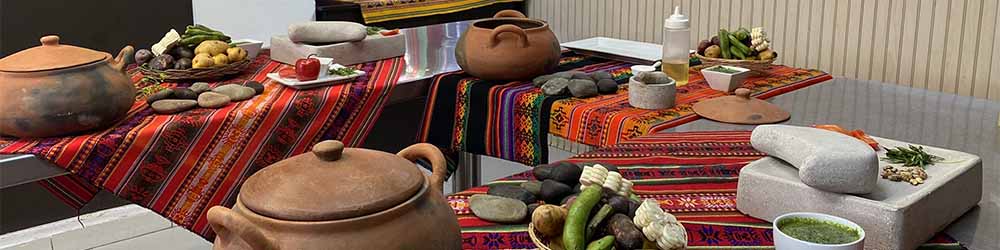
Peru is one of the most biodiverse countries in the world.
While many travelers come for its famous dishes, few realize that some of the most extraordinary flavors are found in its fruits — especially in the Peruvian Amazon.
In regions like Iquitos and Puerto Maldonado, fruits are not just snacks. They are part of daily life, used in meals, refreshing drinks, and even cocktails.
For those exploring Peruvian food experiences, discovering these fruits is an experience you should not miss.
Amazonian fruits are shaped by the richness of the jungle. They are often intense, aromatic, and completely different from what most travelers have tasted before.
Many are consumed fresh, while others are transformed into:
But beyond their flavor, many of these fruits are also valued for their nutritional and functional properties.
One of the most remarkable fruits of the Amazon is camu camu.
This small, sour fruit is known for having an exceptionally high concentration of vitamin C, far greater than most citrus fruits.
It is rarely eaten on its own due to its acidity, but it is widely used in:
Camu camu has become one of the most recognized superfoods from Peru, appreciated for supporting the immune system and overall wellness.
Aguaje is a striking fruit that grows on palm trees throughout the Amazon. It has a vibrant color and a rich, slightly sweet flavor.
Locally, it is often consumed as:
Aguaje is also known for its high content of antioxidants and natural compounds, making it an important part of traditional nutrition in the Amazon.
Another palm fruit is pijuayo, which is typically boiled before eating. It has a firm texture and a mild flavor, often enjoyed with a bit of salt or honey.
Pijuayo is valued for being:
It is a great example of how food in the Amazon is both practical and nourishing.
Cocona is one of the most versatile fruits in Amazonian cuisine.
With its slightly acidic and refreshing flavor, it is commonly used to prepare:
This fruit pairs especially well with fish and grilled dishes, adding brightness and balance to the flavors.
Copoazú is closely related to cacao and is often referred to as one of the Amazon’s hidden treasures.
Its pulp is aromatic and slightly tangy, used in:
It also has a creamy texture that makes it perfect for innovative preparations. For many travelers, discovering copoazú is one of the most surprising flavors of Peru.
Among the most valued products of the Amazon is sacha inchi, a seed that has been consumed since pre-Columbian times.
It is often called the “Inca peanut,” although it is technically a seed.
Sacha inchi is especially known for its oil, which contains high levels of:
Because of this, it is widely recognized as a superfood in Peru, associated with balanced nutrition and healthy lifestyles.
Exploring Amazonian fruits is not just about trying something new.
It is about connecting with the biodiversity and traditions that define Peru.
Whether enjoyed as a fresh juice in the jungle, a sauce alongside a local dish, or an ingredient in a culinary experience, these fruits offer a deeper understanding of Peruvian gastronomy.
From the intense acidity of camu camu to the richness of aguaje and the nutritional power of sacha inchi, the Amazon offers a world of flavors waiting to be discovered.
For travelers and food lovers, this is one of the most exciting and unexpected sides of Peru.
Cook, Learn, Enjoy and Taste Peru!
Comments are closed.