Reservation
Online
Integer congue malesuada eros congue varius. Sed malesuada dolor eget velit pretium. Etiam porttitor finibus. Nam suscipit vel ligula at dharetra
Error: Contact form not found.
Integer congue malesuada eros congue varius. Sed malesuada dolor eget velit pretium. Etiam porttitor finibus. Nam suscipit vel ligula at dharetra
Error: Contact form not found.

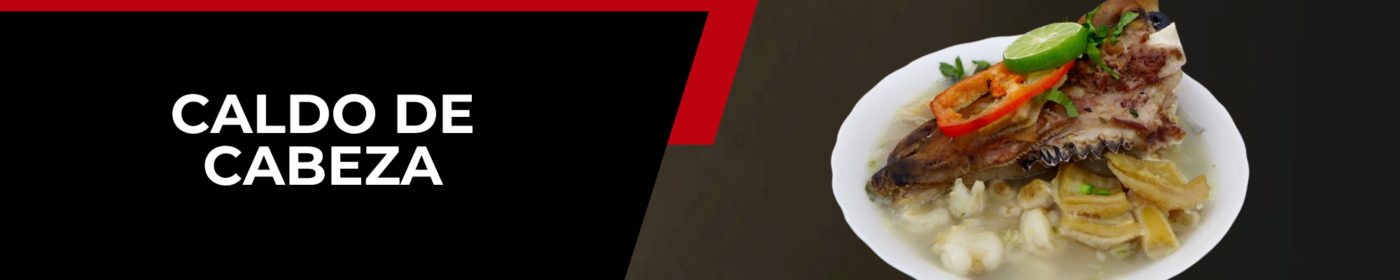
In the highlands of Peru, where the air is cold and the landscapes are vast, food is more than nourishment — it is culture, history, and tradition.
One of the most authentic expressions of this heritage is caldo de cabeza, a traditional Andean soup that has been prepared for generations.
For travelers seeking to discover the true depth of Peruvian cuisine, this is an experience that goes far beyond flavor.
Caldo de cabeza is a hearty soup traditionally made with the head of a sheep or lamb, slowly simmered to extract deep flavor and nutrients.
It is commonly prepared with:
This type of dish reflects an important principle of Andean culture:
the complete use of the animal, where nothing is wasted and every part has value.
Although sheep were introduced during the Spanish colonial period, the concept of slow-cooked, nourishing soups already existed in pre-Columbian Andean societies.
Over time, these traditions blended to create what we now recognize as caldo de cabeza — a dish that represents the fusion of cultures that defines Peruvian gastronomy.
Life in the Andes requires food that provides energy, warmth, and sustenance.
Caldo de cabeza fulfills all of these needs.
Rich in natural fats and collagen, it is a dense and nourishing preparation that helps the body adapt to cold temperatures and high altitudes.
For this reason, it is traditionally consumed in the early morning, especially in local markets.
Many Peruvians consider it a dish that “revives the body,” giving strength for the day ahead.
Beyond its nutritional value, caldo de cabeza is also surrounded by cultural meaning.
According to traditional stories passed down through generations, this dish once played an important role in Andean wedding celebrations.
The eyes were served to the parents, representing their role in watching over and guiding the new couple.
The tongue was given to the godparents, symbolizing their responsibility to offer advice and wisdom based on experience.
The ears were served to the newlyweds, reminding them of the importance of listening to the guidance they receive.
While these traditions belong to oral history and may vary from region to region, they reveal something essential:
In Andean culture, food is deeply connected to values, relationships, and community.
Today, caldo de cabeza can still be found in traditional markets and local food stalls, particularly in Andean regions.
It is not typically part of fine dining menus, but that is precisely what makes it special.
For travelers interested in authentic food experiences in Peru, this dish offers a rare opportunity to connect with everyday life and ancestral traditions.
It is a reminder that some of the most meaningful culinary experiences are found far from modern restaurants.
Peruvian cuisine is known for its diversity, but dishes like caldo de cabeza reveal its deepest roots.
This is not just a soup.
It is a reflection of history, adaptation, and cultural identity.
For those willing to explore beyond the familiar, it becomes one of the most powerful ways to understand the Andes.
Cook, Learn, Enjoy and Taste Peru!
Comments are closed.